As someone who has dealt with identity theft twice, I am here to help you. As a person with vision impairment, the most important thing you can do is to inform and empower yourself so that you don’t become a victim of this type of crime. A teleconference held by the Federal Trade Commission (FTC) provided me with valuable information for people with vision impairments. This is what I am sharing in this article.
How does Identity Theft occur?
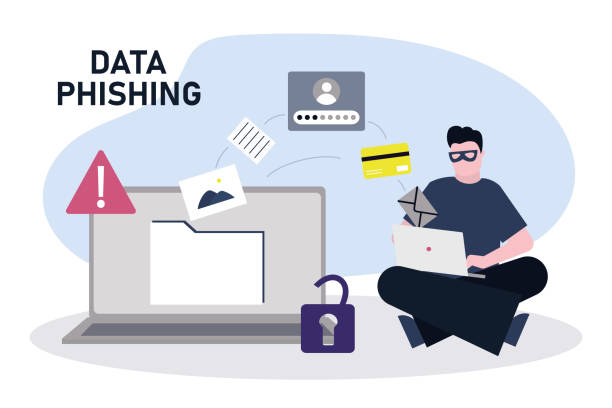
It is essential to understand how identity theft happens. Someone can steal your purse or wallet and commit identity theft. This happened to me at Macy’s, as I shared my personal story on fighting identity theft. You can also get your mail stolen. This could occur when a credit card application is sent to you by a thief. The thief will then fill out the application, get approval for the card, change your address, and shop on the stolen card. Identity theft can also happen when your personal information is stolen by family members, caregivers, and other close friends. These types of identity theft are becoming more common. However, today, identity theft can also occur online through data breaches like phishing emails disguised as legitimate. These messages appear in my inbox occasionally. Sometimes they will ask me to click on the link to verify my information. But I never do. Sometimes, I call the company to verify the message was sent to me and find out it was a scam and that I needed to delete it. Medical fraud and tax return theft are two other recent forms of identity theft. Criminals can gain access to your medical records, file a return and claim your refund.
How to protect yourself against identity theft
Your purse and wallet should be empty. Only keep the essential items you need. After my first encounter with identity theft, I stopped carrying my Social Security card and multiple credit cards.
You should shred all mail and documents containing personal information. Today I bought a small shredder at an office supply shop. I destroy medical records, debit card receipts, and other items with my bank or personal data.
Carefully choose your advisors, caregivers, and assistants. This is a challenging but crucial decision. You should only work with people you can trust and who have your best interests at heart. Since I don’t live near my family, I use a group of volunteers from my local rehabilitation center for blind people. They have undergone criminal background checks and are trained to help blind people. Referrals and references are also available if you work with someone you don’t know.
If you are unsure of the person you are dealing with, don’t divulge your personal information. These can be done in person or over the phone. I’ve had people come to my house soliciting, and I’ve received calls from telemarketers trying to sell me stuff. They call me to sell me things, and I always say no thanks.
Monitor your accounts. This could include your retirement, savings, and checking accounts. Every other day I log on to my bank account online. You can call your financial institution if you cannot access the internet. If you notify your bank as soon as possible, many banks will quickly correct any errors.
Each year, get a free credit report. An excellent way to spot any criminal activity is to check your credit report. After my wallet was stolen from Macy’s, I got a copy of my credit report to see what was going on with my identity. The report showed that it was there every time the thief attempted to use my credit card to purchase. You can access your Annual Credit Report’s webpage. You can also get your reports in braille and large print.
Safety Tips
Here are some ways to protect yourself from identity theft, which is increasing online.
Make sure your antivirus software is up to date. If your antivirus software is no longer current, you are open to malware, phishing emails, and viruses that can be downloaded onto your computer’s hard disk.
Be careful using social networks. It is not a good idea for users to share too much information via social media like Facebook and Twitter. You should also take the time to set up privacy controls to ensure that only you and your friends have access to your data. I recently updated my LinkedIn profile to limit the amount of information available for public viewing. My birth date and phone number are not listed on my profile.
Passwords that are difficult to guess should be used. It is more difficult to crack passwords with at least one capital letter, number, or symbol.
Make sure that the website you shop online is secure. Although I only shop online a little, I only order from sites with a good reputation.
Unsolicited email messages may contain links that you shouldn’t click. These messages should be deleted immediately after you receive them. You can also contact the company to inform them that an email is being sent. They will be able to verify whether it is spam.